HOMEWORK 4
Kevin Lyu, a graduate student in our
department, got a cDNA that encode a protein from rice. Here is the
sequence:
   CGGCACGAGCAGCAACTTAACTTGATCTTCGTGTGACCGATCGATGGCTC
   GCGCGGGACATAATAAGTATGTGGCGCGCGTGATGGTGGTGGCGCTGCTG
   TTGGCCGCGCGGGCACCCGTGACATGCGGGCAGGTGGTGAGCACTTGGGC
   GCCGTGCATCATGTACGCCGACGGGGAGGGTGTCGCCCCCACCGGCGGCT
   GCTGCGACGGGGTCAGGACCCTCAACTCCGCCGCCGCCACCACCGCCGAC
   CGCCAGACCACCTGCGCCTGCCTCAAGCAGCAGACCAAGGCCATGGGCCG
   GCTGAGGCCCGACCACGTCGCCGGCATCCCCTCCAAGTGCGGGGTCAACA
   TCCCCTACGCTATCAGCCCTTCCACCGACTGCTCCAGGGTGCACTGAGTG
   GATCAACGTCAAGTGATGCCACAATAATAATGGAGAGATGGATCCATCGA
   TCTGCGGCTCTCATTTTGCGGTTGCTATCTGCAATATTCGTCGTCGTCGG
   AGAGATCGAGCTAGAAATGCATGTTACTCCTCCGTTCTGTTACTATCTGC
   TTACCTGTTGCTTCGTGCGGTTTGATAGTGTCGTTATAGCTAGTGTAAGA
   GTGTGAGGGTTGATTTTGATCTGTCTCCTTTACGGGACGAGGGGCACGGC
   GAATCATGCATGAATCTTAGAGGACCTGCTTGCATTGTACCTTACTCAGT
   GCATGCTTCAATATATATCCATCAAATGAAGATCTTTTAATGAAAAAAAA
   AAAAAAAAAAAAAAAA
Unfortunately, he doesn't know how
to use the sequence analysis tools availabled in the internet
since he did not take Bioinformatics course before. Could you help
him to do the following analysis?
- (1) Find its corresponding
polypeptide
sequence (DNA -> Protein
translation).
Answer:
G T S S N L T Stop S S C D R S Met A R A G H N K Y V A R V Met V V A L L L A A R A P V T C G Q V V S T W
A P C I Met Y A D G E G V A P T G G C C D G V R T L N S A A A T T A D R Q T T C A C L K Q Q T K A Met G
R L R P D H V A G I P S K C G V N I P Y A I S P S T D C S R V H Stop V D Q R Q V Met P Q Stop Stop W R D G
S I D L R L S F C G C Y L Q Y S S S S E R S S Stop K C Met L L L R S V T I C L P V A S C G L I V S L Stop L V
Stop E C E G Stop F Stop S V S F T G R G A R R I Met H E S Stop R T C L H C T L L S A C F N I Y P S N E D L L
Met K K K K K K K K
- (2) Identify this protein. Is
it a new protein? If not, what's the name of this protein?
Answer:
It's not a new protein! Name:"Nonspecific Lipid-Transfer Protein"
- (3) Report the total number of
negatively charged residues and positively charged
residues.
Answer:
Total number of negatively charged residues (Asp + Glu): 16
Total number of positively charged residues (Arg + Lys): 31
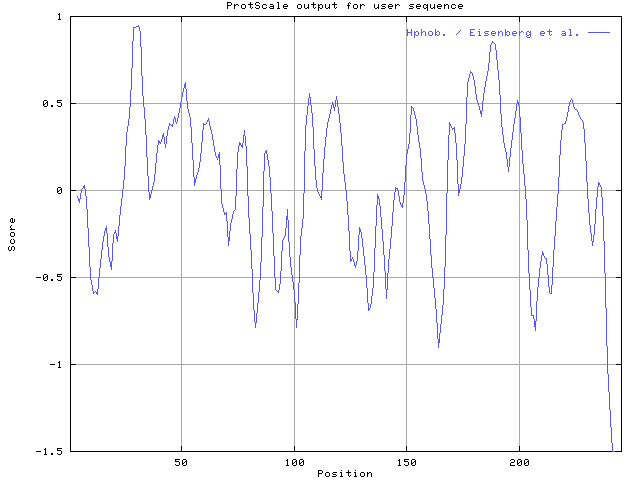
- (4) Draw the hydrophobicity
map for this protein using Eisenberg hydrophobicity scale with
window size 7. The relative weight of the window edges compared to
the window center should set to 40%.
- (5) Is there any hydrophobic region in this protein? Can you explain the possible
role for this region?
Answer:
Yes!! Hydrophobic region may be the transmembrane polypeptide chain
crossing the lipid bilayer.
- (6) Please help him to use
Prosite scanning tool to find out possible
functions or pattern of this protein.
- (7) Color the
protein by the hydrophobicity of the amino acids.